
19 Crochet Home Decor Projects for a Cozy Home
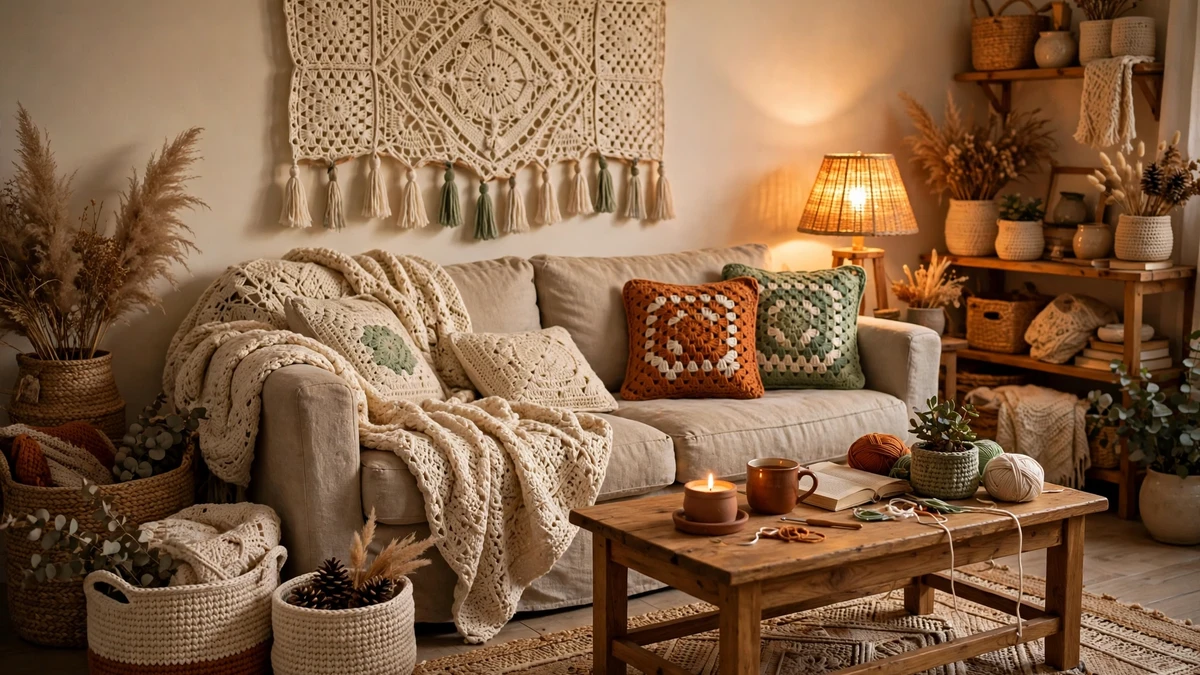
Soft yarn and a simple hook can turn a plain room into a place that feels warm and lived in, and these crochet home decor projects for a cozy home show you how to start with small, satisfying makes. Many homes feel cold because the soft layers are missing, not because the furniture is wrong. A handmade blanket over a chair arm, a textured cushion on the sofa, or a small basket by the door adds the kind of warmth that shop bought decor rarely gives. In this guide, you will find 19 beginner friendly ideas that use basic stitches, affordable yarn, and short evening sessions. Each project suits a real home, works in a small flat or a family house, and leaves you with something useful at the end. In my experience, the pieces people love most are the ones with tiny uneven stitches, because those marks prove a real person made them with care. Pick one project, gather your yarn, and enjoy the slow pleasure of making something for your own home.
Chunky Blanket Stitches
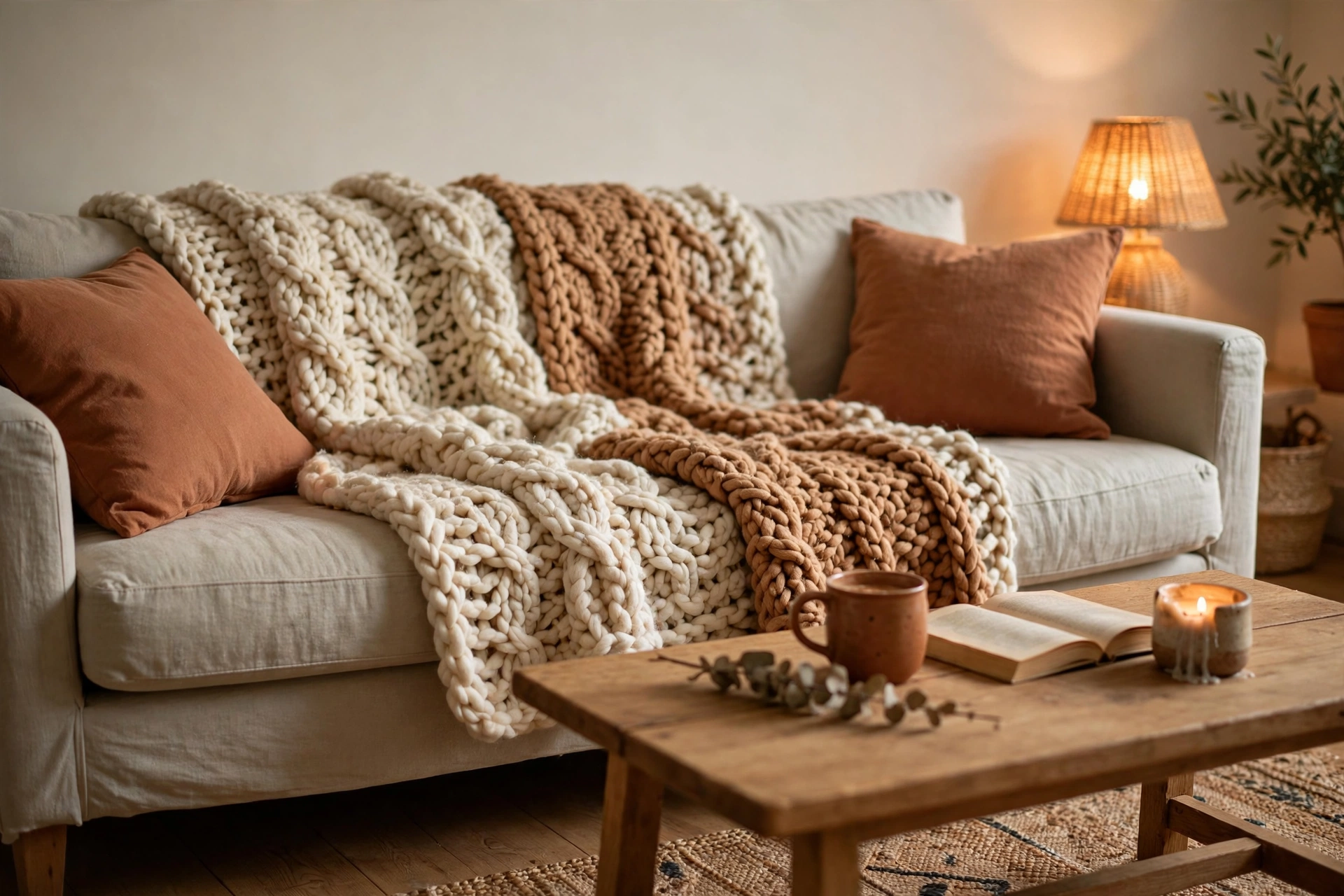
Thick yarn works up fast, so a chunky blanket is the kindest first project for a beginner. Choose a soft bulky yarn in cream or caramel, a large hook, and a simple stitch like half double crochet that you can repeat without checking a chart every row. Work in short evening sessions, keep the edges straight by counting stitches at the end of each row, and fold the blanket over the sofa arm when you stop for the night.
A blanket made from chunky stitches looks generous even before it is finished, because each row adds visible height. Pair cream with one warm accent, such as rust or mustard, and keep the border simple with a single round of single crochet. Wash it gently by hand, dry it flat, and it will stay soft and full for many winters.
READ MORE
- 16 Rustic Home Decor Ideas for a Warm and Inviting Home
- 21 Home Decor Kitchen Ideas for a Stylish Home
- 18 Home Office Decor Ideas for a Stylish Home
Granny Square Cushions

- Crochet squares in batches of four, using one color per round so each square stays bright without a tangled yarn mess.
- Join squares with a simple whip stitch in cream, which hides small size differences and gives a neat finish.
- Sew a plain cotton lining inside the cover so the cushion insert never pokes through the gaps.
- Add a row of single crochet around the edge to stop the cover from stretching out of shape.
- Wash the cover in cold water and dry it flat, because heat can shrink wool blends.
Granny squares turn leftover yarn into something cheerful, and a cushion cover needs only nine or twelve squares. I’ve noticed that a mix of sage, rust, and mustard looks fresh on a plain linen sofa, while cream joins keep the colors calm. Make two covers in the same palette for a matched pair.
Crochet Wall Hangings

Quick Tip: Start with a wooden dowel about 40 cm wide and a simple pattern of shells or fans in cream cotton yarn. Cotton holds its shape on a wall better than soft acrylic, and a fringe of short tassels at the bottom hides uneven edges. Hang it with two small nails and a loop of yarn, then step back to check that it hangs straight before you trim the fringe.
Wall hangings bring handmade texture to a bare wall without the cost of framed art. A cream piece suits a pale wall, while a touch of rust or sage in the lower rows picks up the colors in the room. Change the dowel for a slim branch from the garden if you want a softer, natural look.
Cozy Table Runners
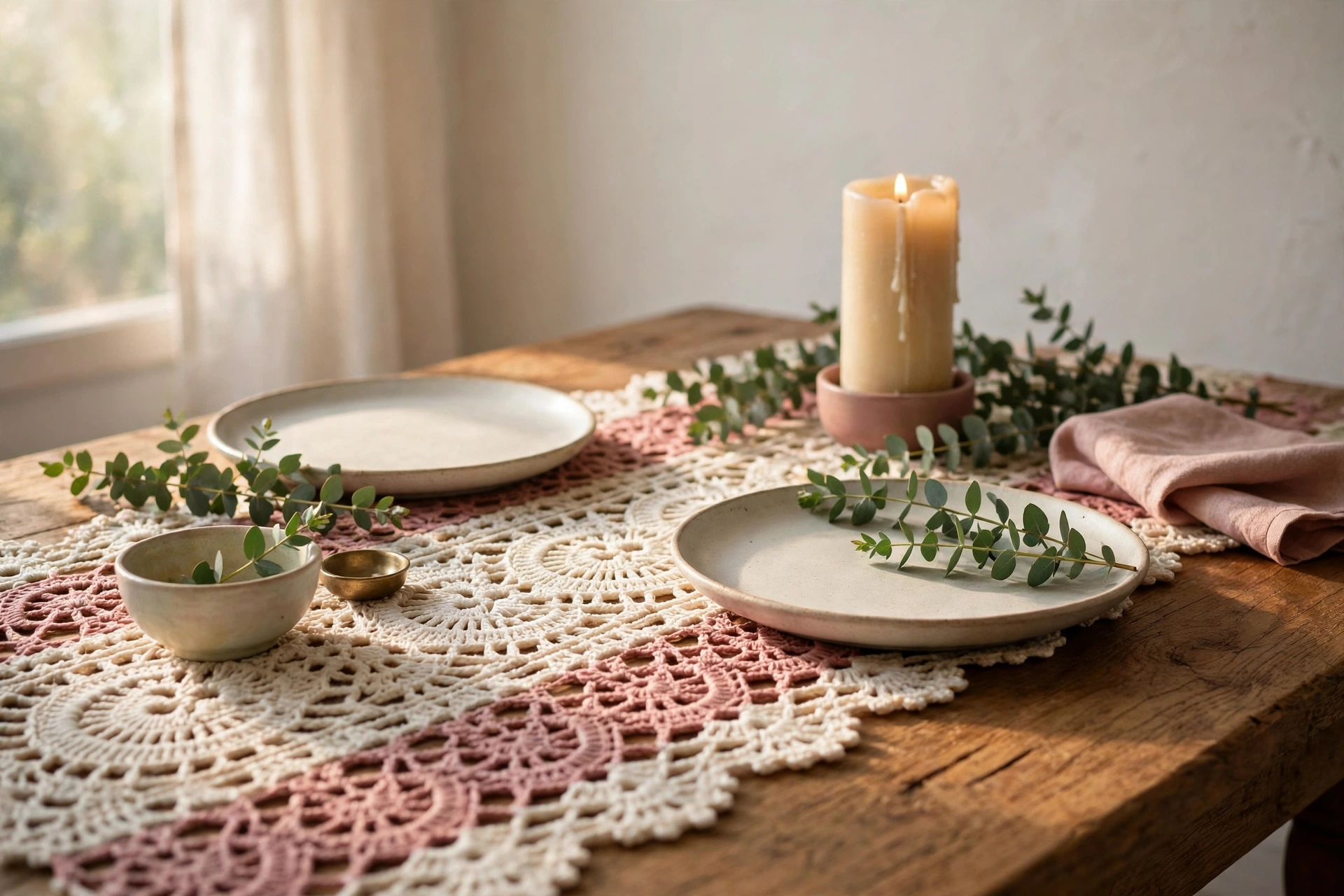
BEFORE: The dining table looked bare between meals, with a plain wooden top that showed every cup ring and crumb. Family meals felt rushed, and the table never looked ready for guests. The room had a good table and chairs, but nothing soft to draw the eye.
AFTER: A cream crochet runner now lies down the center, with a small vase of eucalyptus and a pillar candle on top. The table feels dressed for dinner even on an ordinary Tuesday, and the open lace pattern lets the wood show through in a pretty way.
A runner protects the wood and adds a handmade touch to everyday meals. Use cotton yarn so you can wash it often, keep the width to about one third of the table, and press it flat with a warm iron after washing. A dusty rose stripe at each end adds color without overpowering the plates.
Basket Weave Storage

- Pick a sturdy cotton or t-shirt yarn, since thin yarn will sag under the weight of throws and books.
- Work the base in tight single crochet rounds, increasing evenly so the bottom stays flat.
- Build the sides with basket weave stitches, which create a thick fabric that holds its shape.
- Add two short handles by chaining across a gap near the top edge on each side.
- Finish with a round of slip stitches around the rim to keep the edge firm and tidy.
Baskets made this way hold their shape far better than soft fabric boxes, and they suit almost any room. Keep one by the sofa for throws, one by the door for scarves, and a small one on a shelf for remote controls. Give each basket one job, and the system stays tidy.
Plant Hanger Crochet

| Option | Best For | Feel |
|---|---|---|
| Short hanger | Windowsills and shelves | Neat, compact, easy to water |
| Long hanger | High ceilings and corners | Flowing, dramatic, full of green |
| Double pot hanger | Two small plants together | Balanced, lush, space saving |
Hanging plants at different heights turns a plain window into a small indoor garden. Use strong cotton yarn, test the hanger with a full watered pot before you hang it, and tie the knots firmly so the pot sits level. Trailing pothos looks lovely spilling from a cream hanger, and a sage accent picks up the green leaves.
Mandala Throw Pillows

DO:
- Start the mandala from the center and work outward in rounds, changing color every two rounds for a clean pattern.
- Block the finished circle on a towel with pins so the stitches lie flat and even.
- Sew the mandala onto a plain cushion cover instead of making a full crocheted back.
- Choose three colors that already appear in the room, such as teal, rust, and cream.
DON’T:
- Pull the yarn tight in the early rounds, or the mandala will cup and wrinkle.
- Skip counting stitches in each round, since a missed increase bends the circle.
- Use very dark yarn for the whole piece, because the stitch detail disappears in shadow.
- Wash the cover in hot water, which can shrink the mandala and pucker the seams.
A round mandala pillow adds art to a sofa without adding clutter, and it shows off stitch detail beautifully. Place one mandala pillow between two plain cushions so the pattern stands out, and keep the rest of the sofa simple. One strong piece often does more than a whole shelf of small decor.
Lacy Curtain Panels

Cost: 15 to 40 dollars of cotton yarn per panel Time: Two to three evenings per panel for a beginner Skill Level: Beginner with basic chain and double crochet Best Room: Bedroom or kitchen window with soft daylight
Lacy panels filter daylight into a soft glow that flatters the whole room. Work the panel in a simple filet pattern, measure the window before you start, and hang the finished piece on a slim rod so the stitches stay visible. White cotton suits most rooms, and a light steam after washing keeps the lace crisp and flat.
Textured Bed Throws

A bed throw in raised stitches invites touch, and it is the fastest way to make a bedroom feel cared for. Drape a cream throw with sage stripes across the foot of the bed, fold it in thirds so the pattern shows, and pair it with two plain pillows. The texture breaks up flat white bedding without adding strong color.
Keep the throw light enough to pull up on a cold night, since a heavy blanket will slide off the bed. Wash it in cold water, dry it flat on a towel, and shake it out before you fold it. Small habits like these keep the stitches full, and a full stitch pattern changes how the whole bedroom feels each morning.
Round Rug Motifs

- Start with a magic ring and work in rounds, increasing evenly so the rug stays flat instead of curling.
- Use t-shirt yarn or two strands of chunky yarn held together for a rug thick enough to walk on.
- Change color every four or five rounds to create clear rings that look planned.
- Add a non slip mat underneath, since a crochet rug can slide on a wooden floor.
- Spot clean small marks and air the rug outside instead of washing the whole piece often.
Round rugs soften hard corners and mark out a small zone for reading or play. Place one under a chair with a lamp and a stack of books, and the corner becomes a place to sit rather than an empty patch of floor. I’ve seen this work well in small flats, where a round rug adds warmth without filling the room.
Fringed Sofa Throws

Quick Tip: Cut the fringe pieces to the same length before you attach them, using a book as a guide so every tassel matches. Knot each tassel through the edge stitches in pairs, then trim the ends with sharp scissors for a neat line. A caramel throw with cream fringe suits a plain sofa, and the tassels add movement every time someone sits down.
Fringe gives a simple throw a finished, handmade look with very little extra work. Drape the throw over one arm of the sofa where hands can reach it, and keep the fringe off the floor so it does not pick up dust. Shake the throw outside once a week to keep the yarn fresh and full.
Mug Cozy Sets

BEFORE: Plain ceramic mugs felt hot to hold and looked dull on the kitchen table, even with a nice tray and a small plant beside them. Tea cooled fast, and the table never felt like a place to linger. The kitchen had good light and pretty dishes, but nothing warm to touch.
AFTER: Each mug now wears a snug crochet cozy in rust, sage, or mustard, with a small button to keep it in place. Hands stay comfortable, tea stays warm longer, and the table looks like a friendly spot for a slow morning cup.
Mug cozies use very little yarn, so they are ideal for using up leftover balls from larger projects. Work them in the round, measure around your favorite mug, and add a button loop for a snug fit. A set of four in matching colors makes a thoughtful handmade gift too.
Bobble Stitch Cushions

- Choose a soft yarn that shows texture well, such as a smooth cotton blend in cream or dusty blue.
- Work bobbles in evenly spaced rows, leaving two plain rows between each bobble row.
- Count stitches at the end of every row, because bobbles hide mistakes easily.
- Sew the front panel to a plain fabric back, which stops the cushion from stretching.
- Fluff the bobbles gently after washing so the texture stays raised and even.
Bobble stitches add a playful texture that invites people to touch the cushion. Keep the bobbles small and evenly spaced, pair the cushion with a plain throw, and let the texture do the talking. A cushion like this suits a family sofa, because the raised stitches hide small marks from everyday use.
Crocheted Lamp Shades

| Option | Best For | Feel |
|---|---|---|
| Open lace shade | Table lamps and bedside lights | Soft, glowing, delicate |
| Solid stitch shade | Floor lamps in reading corners | Warm, focused, cozy |
| Colored cotton shade | Children’s rooms and bright spaces | Cheerful, playful, gentle light |
A crochet shade turns a plain lamp into a warm focal point after dark. Use cotton yarn, keep the stitches open enough for light to pass through, and fit the shade over a frame so the fabric never touches a hot bulb. Test the lamp for ten minutes first, and check that the shade stays cool and the light stays soft.
Cozy Chair Covers

DO:
- Measure the chair back and seat before you start, since chairs vary more than people expect.
- Work the cover in a stretchy stitch, such as half double crochet, so it fits snugly.
- Add ties at the back to keep the cover in place when someone sits down.
- Choose washable cotton yarn, because dining chairs collect crumbs and spills.
DON’T:
- Make the cover too long, or it will catch on legs and drag on the floor.
- Use dark yarn on a light chair without testing it, since some dyes can transfer.
- Skip a trial fit halfway through, because a cover that is too tight will not stretch later.
- Forget to wash the covers monthly, since dining fabric shows marks quickly.
Chair covers refresh tired dining chairs without the cost of new furniture. A cream cover with a sage stripe suits a wooden table, and ties at the back keep the look neat. Make one cover first, test the fit, and then repeat the pattern for the rest of the set.
Amigurumi Shelf Friends
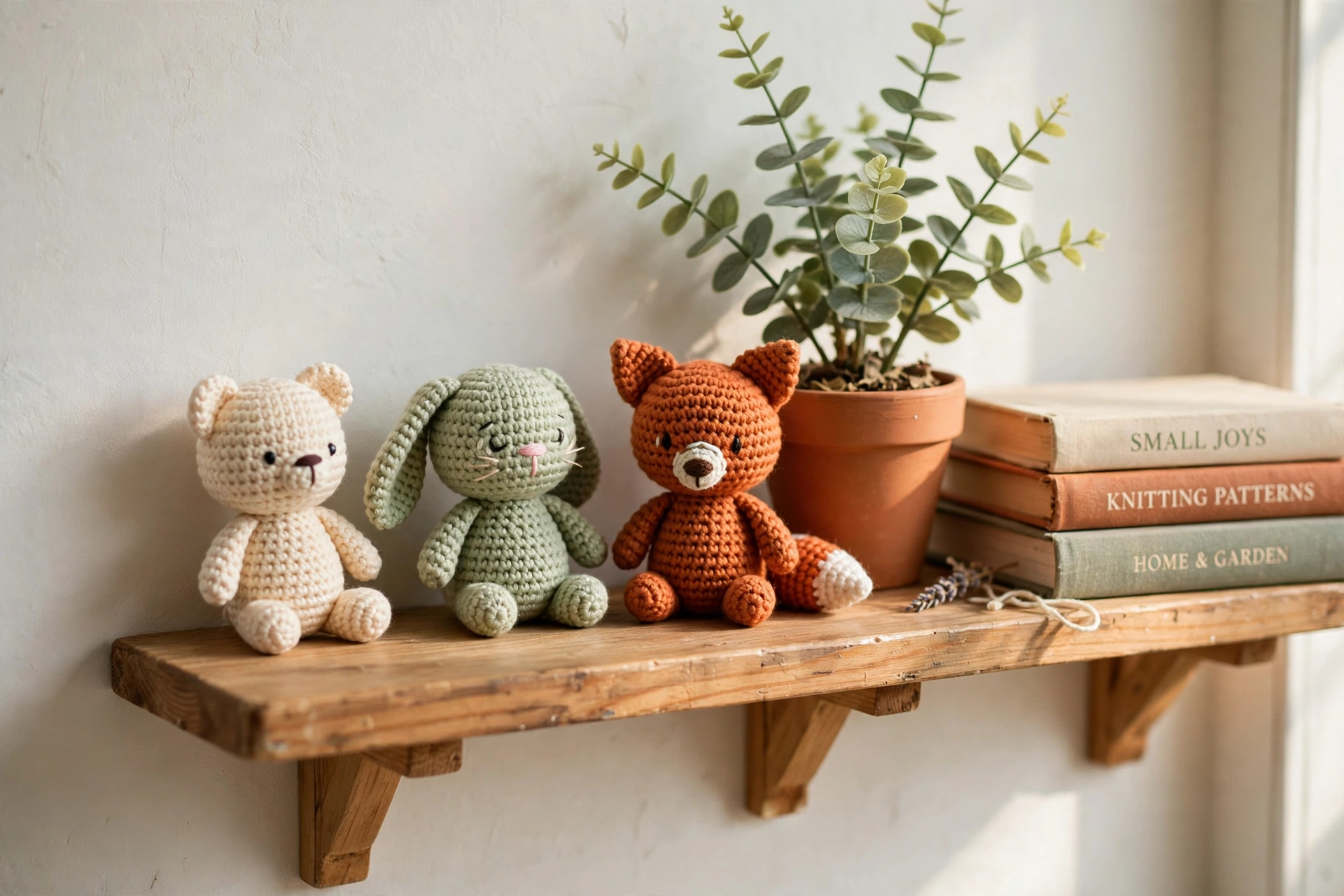
Cost: 5 to 15 dollars of yarn per figure Time: One evening per small figure for a beginner Skill Level: Beginner with single crochet and simple increases Best Room: Child bedroom shelf, nursery, or living room display
Small crochet animals bring a gentle, playful touch to a shelf without taking over the room. Start with a simple bear in cream yarn, stuff it firmly with toy filling, and sew the parts on tightly so nothing comes loose. Place two or three figures together with a plant and a book, and the shelf feels personal and warm.
Ripple Stitch Blankets

Soft waves of color calm a bedroom, and a ripple blanket is easier than it looks once the pattern repeats. Choose three gentle colors, such as soft blue, cream, and sage, and work the peaks and valleys in the same stitch count every row. Count the stitches at each peak for the first few rows, then the rhythm becomes easy to follow without a chart.
A ripple blanket suits a bed, a sofa, or a reading chair, because the wave pattern looks good from any angle. Keep the border simple with two rounds of single crochet in cream, wash the blanket in cold water, and dry it flat so the waves stay even. This is a project that rewards slow, steady evenings.
Vintage Doily Accents
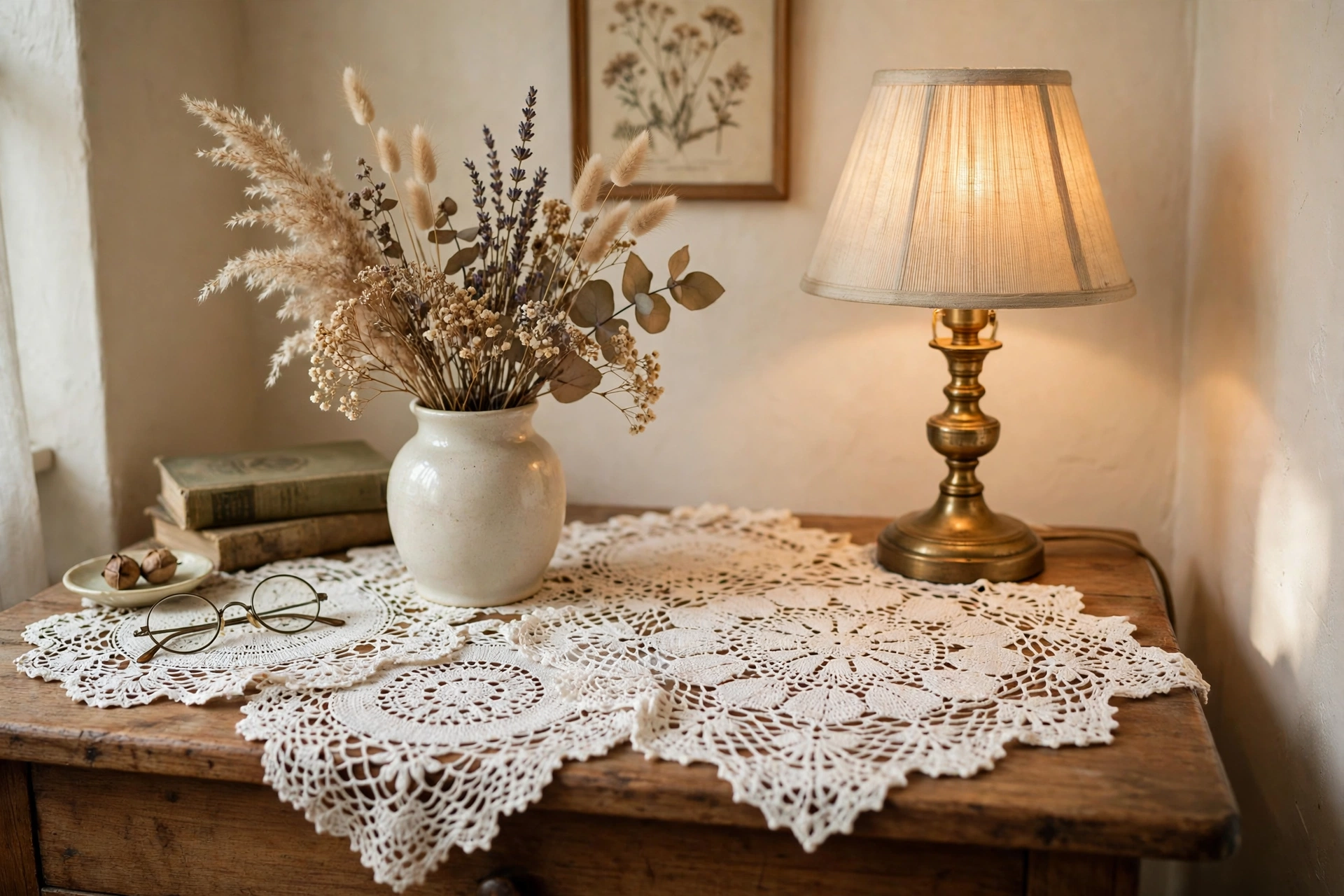
- Place a doily under a vase or lamp to protect the wood and add a delicate handmade layer.
- Use fine cotton yarn and a small hook, since thin thread shows the lace pattern best.
- Block each doily with pins on a towel so the points and curves lie flat and even.
- Layer two doilies of different sizes on a larger table for a pretty, old fashioned look.
- Wash doilies gently by hand and press them flat while damp to keep the lace crisp.
Doilies carry a gentle vintage charm that suits side tables, dressers, and shelves. A single white doily under a vase can set the tone for a whole corner, while a pair on a dresser adds a quiet, cared for feel. The goal is a light touch, not a full vintage room, so let one or two pieces shine.
Colorful Bunting Garlands
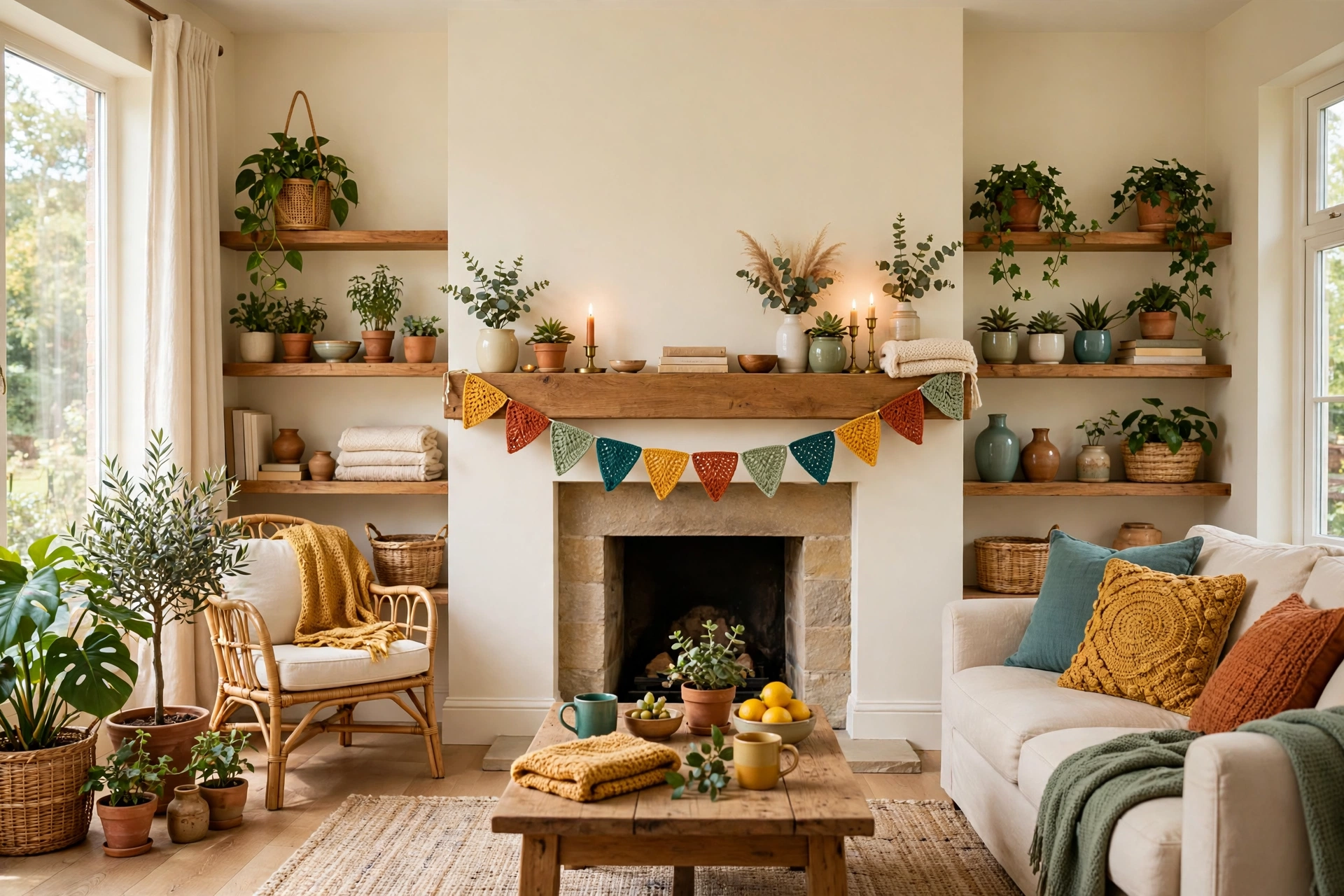
Quick Tip: Crochet triangles in four colors, such as mustard, rust, sage, and teal, using the same pattern for each flag so they match in size. Join them with a simple chain cord, spacing the flags evenly, and hang the garland across a mantel or a shelf. It takes one evening to make, costs very little yarn, and lifts a plain wall at once.
Bunting suits birthdays, holidays, and ordinary weekends alike, because it adds color without a big change. Hang it across a mantel, along a shelf, or over a doorway, and move it to another room when you want a fresh look. Store it flat in a drawer, and it will be ready for the next celebration.
CONCLUSION
Small handmade touches add up to a home that feels warmer, calmer, and more like you, and these crochet home decor projects for a cozy home prove that comfort does not need a big budget or a perfect house. Start with the project that caught your eye first, whether that is a chunky blanket, a granny square cushion, or a small basket by the door, and give yourself a few quiet evenings to make it properly. Notice how the room feels when you walk in, then add a second project next week. Save this guide on Pinterest so you can return to it whenever a room needs fresh inspiration, and share it with a friend who loves handmade decor too.
One Comment